Can You Sell a Junk Car to a Salvage Yard Without a Title in Virginia?
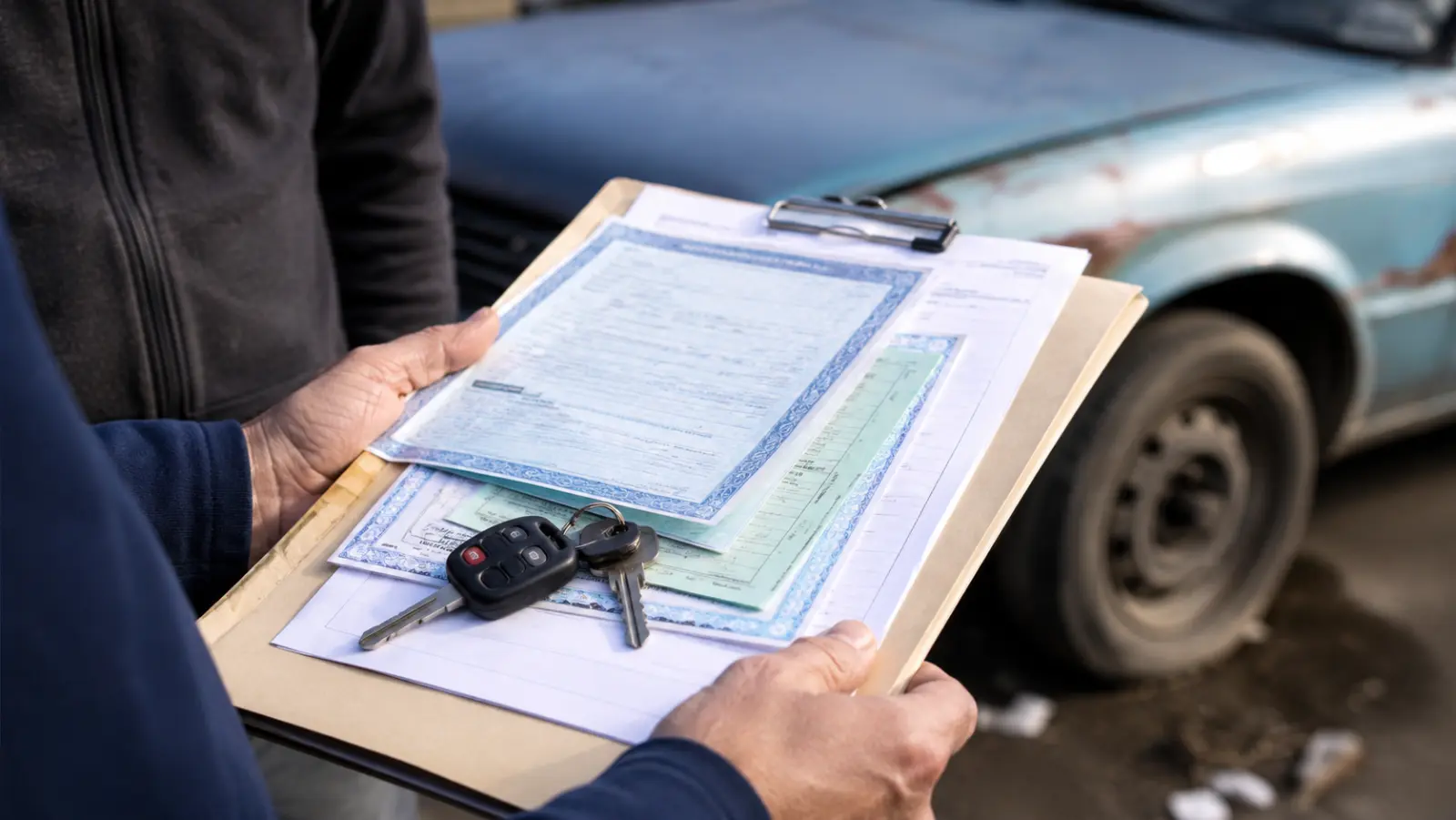
If you're trying to get rid of a vehicle and can't locate the paperwork, you're not alone. Selling a car to a salvage yard without a title is one of the most common questions junk car sellers run into, and the answer depends on where you live, the age of your vehicle, and what alternative documentation you can provide.
Virginia has specific rules around vehicle ownership transfers, and salvage yards are required to follow them. That doesn't necessarily mean you're out of options, but understanding the process before you make calls can save you a lot of time and frustration.
Why a Car Title Is Normally Required
A car title is the legal document that establishes who owns a vehicle. When a salvage yard buys a car, it's taking on ownership and responsibility for that vehicle. Without a title, a buyer has no way to verify the seller actually owns the car, which creates legal exposure for both parties.
Virginia law requires that vehicle ownership be properly transferred at the point of sale. For salvage yards operating legally, accepting a car without documentation to support that transfer isn't a gray area; it's a liability. This is why most buyers ask for a title upfront, and why sellers who can't produce one often run into resistance.
What Happens If You Sell a Car Without a Title
In most cases, a legitimate salvage yard will decline the sale rather than risk accepting a vehicle with unclear ownership. Buying a stolen car, even unknowingly, can result in serious legal consequences for the yard. From the seller's perspective, completing a sale without proper documentation can also create problems, particularly if the vehicle is later linked to an outstanding lien, an accident, or a theft report.
This isn't meant to discourage you. It's meant to frame the situation honestly so you can take the right steps rather than shop around hoping someone skips the paperwork.
Alternative Proof of Ownership
Depending on the age and condition of your vehicle, there are documents that some buyers may accept in place of, or alongside, a title application.
Bill of Sale
A bill of sale on its own doesn't transfer ownership in Virginia, but it can serve as supporting documentation alongside other records. It should include the vehicle's VIN, the sale price, both parties' names, and signatures. Some yards will accept it as part of a package of documents while a replacement title is being processed.
Vehicle Registration
Current or recent registration in your name is one of the stronger alternatives available, since it connects you to the VIN in a government-issued record. It won't be sufficient on its own in most cases, but it strengthens your position when combined with other documentation.
Insurance Records
A policy with your name on it, tied to the vehicle's VIN, is another form of ownership evidence. Like registration, it functions best as a supporting document rather than a standalone substitute.
DMV Replacement or Affidavit Process
This is usually the most reliable path. Virginia's Department of Motor Vehicles allows registered owners to apply for a duplicate title. If you're the last registered owner and the vehicle hasn't changed hands without documentation, the process is typically straightforward. In some cases involving older vehicles or complex ownership histories, the DMV may accept a bonded title or affidavit of ownership. Reaching out to your local DMV office or checking the Virginia DMV website before proceeding is strongly recommended.
How to Sell a Junk Car Without a Title
If you don't have the title in hand right now, here's a practical approach to working through the situation.
Research Your State's Title Requirements
Virginia's rules apply to transactions within the state, but if your vehicle was previously registered elsewhere, there may be additional steps to establish a clear ownership record. The Virginia DMV's website outlines what's required for title replacement and transfer, and it's worth reviewing before you contact buyers.
Prepare Ownership Records Before Contacting a Buyer
Calling a salvage yard with nothing in hand puts you at a disadvantage. Gather whatever you have — registration, insurance records, a bill of sale from when you purchased the vehicle, any loan payoff documentation. Knowing what you can present makes the conversation more productive and signals to the buyer that you're a legitimate seller.
Search for Junkyards That May Accept No-Title Vehicles
Do you need a title to junk a car in Virginia? For most buyers, yes. That said, policies vary by yard, and some operations have more flexibility with older vehicles that fall outside standard titling requirements under state law. Calling ahead to ask about specific requirements will tell you more than any general rule of thumb.
Ask About Buyer-Specific Requirements
Each salvage yard operates under its own policies within the bounds of state law. Some may have relationships with title processing services. Others may hold payment until a replacement title is issued. Asking directly about the process is always better than assuming.
Consider Selling Valuable Parts Separately
If the vehicle has components in good condition, selling them individually may not require the same documentation as junking the whole car. Engines, transmissions, and body panels can hold real value, and parting out a vehicle is a viable alternative if the title situation can't be resolved quickly.
When You Still Cannot Junk a Car Without a Title
Some situations genuinely make it difficult to complete a sale through standard channels. If you inherited a vehicle with no paperwork, purchased it privately with no documentation, or are dealing with a title that reflects a previous owner with no clear transfer record, the process gets more complicated.
In those cases, an attorney familiar with Virginia title laws or a licensed title service can sometimes help establish a clean ownership record through a bonded title or court order. It takes more time than a straightforward sale, but it protects you legally and makes the vehicle sellable to any legitimate buyer.
Skipping the documentation entirely and trying to find a buyer willing to look the other way isn't a solution. It creates ongoing risk for both parties and can complicate any future transactions tied to the VIN.
How Chesterfield Auto Parts Handles No-Title Vehicle Sales
At Chesterfield Auto Parts, we've been buying and recycling vehicles since 1947, and we've seen just about every ownership situation there is. Our team is upfront about what documentation we need and why, and we're glad to help sellers understand their options before the sale.
If you're working through a title issue, reach out before you assume the deal isn't possible. We can explain what we're able to work with, what we'll need to complete the transaction, and whether a replacement title or supporting documents would get things moving. Visit us at any of our three Virginia locations or contact us to talk through your situation.