3 Simple Maintenance Tips & DIY Car Repairs to Save Money
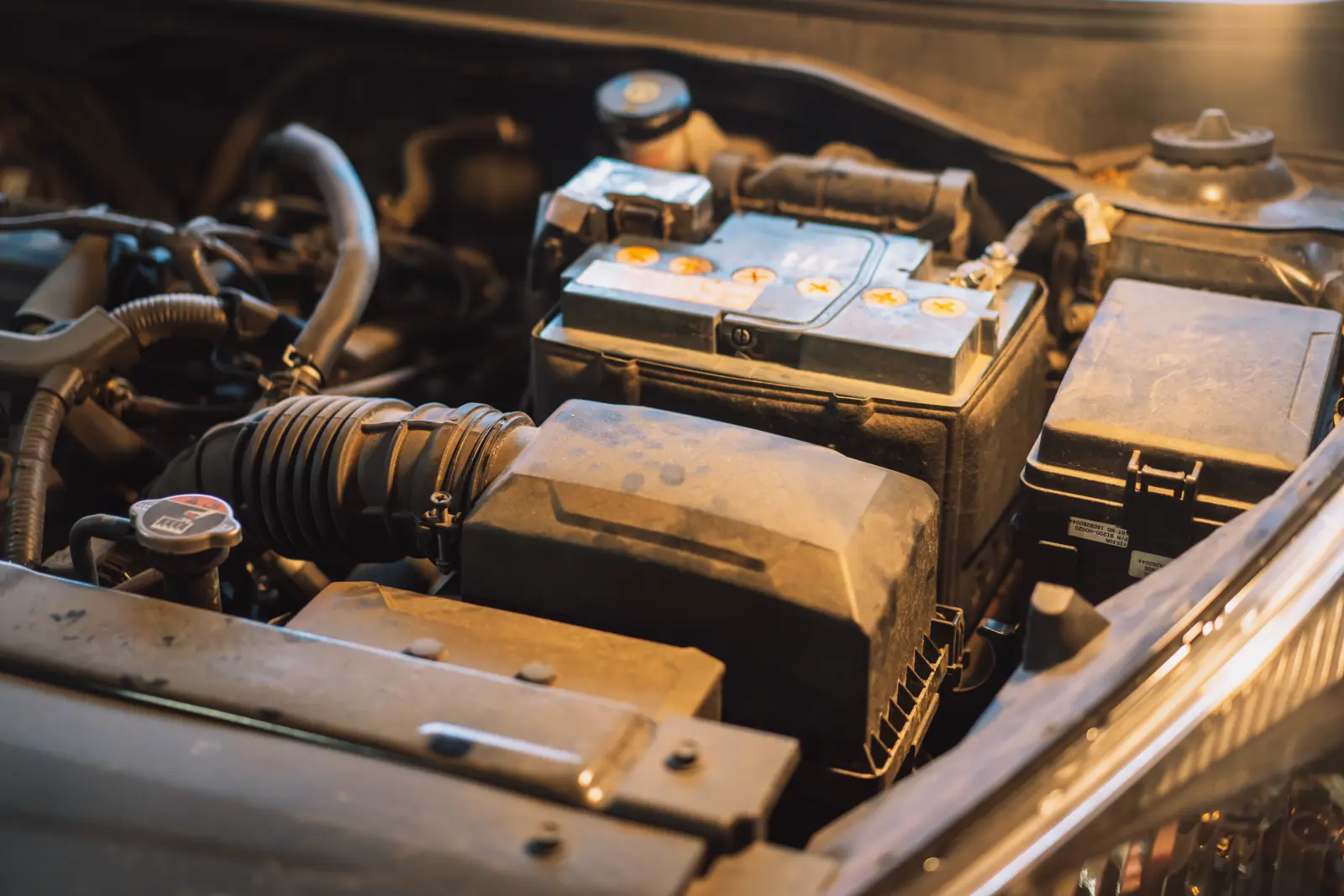
Vehicle ownership isn't cheap. Between routine upkeep and unexpected breakdowns, repair costs can drain your budget fast, especially when you're paying for labor you may not need.
Some common maintenance tasks are manageable at home, with basic tools and a little confidence. These DIY car repairs to save money don't require a professional mechanic, just some patience and the right parts. Chesterfield Auto Parts stocks quality used components at prices that make DIY projects even more affordable.
Browse Our InventoryDIY Tip #1: Diagnose with a Code Reader
That check engine light doesn't always mean disaster. Before spending money at a shop just to find out what's wrong, consider picking up an OBD-II code reader. These handheld devices plug directly into your car's diagnostic port, typically located under the dashboard near the steering column, and pull the error codes your vehicle's computer has stored.
Once you have a code, a quick online search will tell you what it means and how serious it is. Some codes point to minor issues, like a loose gas cap or a sensor that needs replacement. Others may indicate something that genuinely requires professional attention. Either way, you go in informed rather than guessing.
Code readers are inexpensive and reusable across multiple vehicles. And they're one of the easiest DIY car repairs you can do to save money.
DIY Tip #2: Replace Your Battery
A sluggish start, dimming headlights, or a car that won't turn over at all are common signs your battery is on its way out. Most batteries last three to five years, and replacing one is a straightforward job that requires minimal tools (typically just a wrench and about 20 minutes).
Start by locating the battery under the hood. Before disconnecting anything, make sure the engine is off and the keys are out of the ignition. Remove the negative terminal first (marked with a minus sign), then the positive. Lift out the old battery, drop in the new one, and reconnect in reverse order: positive first, then negative. Secure the clamps, and you're done!
DIY Tip #3: Change Your Own Oil
Regular oil changes are the single most important thing you can do to extend your engine's life. Doing them yourself saves on labor costs and takes about 30 to 45 minutes once you've done it a time or two.
You'll need a floor jack, jack stands, a drain pan, a funnel, a socket wrench, a new oil filter, the correct oil for your vehicle, and a pair of gloves. Lift the car safely using the jack stands, and never rely on a floor jack alone. Slide under and locate the drain plug on the oil pan. Remove it, let the old oil drain completely, then replace the plug. Swap out the oil filter, lower the car, and add the recommended amount of fresh oil through the fill cap on top of the engine. Check the dipstick to confirm the level, and you're set.
One more step: Don't pour old oil down a drain. Most auto parts stores and service stations accept used oil for recycling at no charge.
Bonus DIY Tip: Inspect and Top Off Your Other Fluids
Your car depends on more than just oil. Transmission fluid, coolant, brake fluid, and windshield washer fluid all play a role in keeping things running smoothly, and checking them takes only a few minutes.
Most of these fluids have clearly labeled reservoirs under the hood with min and max lines on the side. If a level looks low, top it off with the correct fluid type (your owner's manual will specify). Coolant and brake fluid, in particular, deserve closer attention because a significant drop in either could signal a leak that needs to be addressed before it becomes a bigger problem.
Getting in the habit of checking fluid levels every month costs nothing but a few minutes of your time. It's the kind of preventive maintenance that quietly saves you from far more expensive repairs down the road.
Ready to take on more DIY projects and repairs? Find the right components and then check out our guide to "DIY Installation for Used Car Parts in VA."
Safety First: Tips for DIY Maintenance
DIY car repairs to save money can be rewarding, and a few basic precautions go a long way toward keeping the job safe:
- Always park on a flat, stable surface before getting under any vehicle.
- If you're lifting the car, use proper jack stands rather than relying on a hydraulic jack alone.
- Wear gloves when handling fluids and eye protection during any work that involves battery terminals or spraying components.
- Never work on a hot engine; give it at least 30 minutes to cool after running.
Your owner's manual is one of the most useful tools you own. It specifies fluid types, torque specs, and maintenance intervals tailored to your exact vehicle. When in doubt, a quick search for model-specific tutorial videos can walk you through the steps in real time.
Why Buy Used Auto Parts in VA from Chesterfield Auto for Your DIY Jobs
Quality used auto parts in VA don't have to be hard to find. Chesterfield Auto Parts is the auto salvage in VA that carries a wide selection of tested, OEM-grade components at prices well below dealer or new parts alternatives, making it a natural starting point for anyone seeking DIY car repairs to save money.
Finding the right part is easier than it might seem. Having your VIN on hand or the OEM part number helps narrow things down quickly. You can search inventory online, create a wish list for hard-to-find items, or visit our yard locations in Richmond, Southside, and Fort Lee.
Chesterfield Auto has been serving Virginia drivers since 1947, and that history means a lot of institutional knowledge to draw on. The team can point you toward compatible parts and help you avoid common fitment mistakes.
Questions about returns, warranties, or part availability? Reach out through our contact page.
FAQ
Is it safe to change oil at home?
Yes, with basic safety precautions. Use jack stands when raising the vehicle, let the engine cool before you start, wear gloves to avoid skin contact with old oil, and dispose of used oil at a certified drop-off location. Follow your owner's manual for the correct oil type and capacity.
How do I choose a used battery?
Match the group size and cold cranking amps (CCA) to the specs listed in your owner's manual or on your current battery label. A Chesterfield Auto team member can help you confirm compatibility and locate a tested option from inventory.
Are OBD error codes always serious?
Not necessarily. Some codes indicate minor issues like a loose gas cap or a sensor that needs cleaning. Others flag more significant mechanical problems. Reading the code is just the first step; researching what it means for your specific vehicle will help you decide whether it's a quick fix or something to take to a mechanic.
Does Chesterfield Auto carry small used auto parts in VA like filters and drain plugs?
Yes. Beyond major components, Chesterfield Auto stocks a range of smaller parts commonly needed for routine maintenance. Search online inventory or contact the team directly to confirm availability for your vehicle's year, make, and model.